

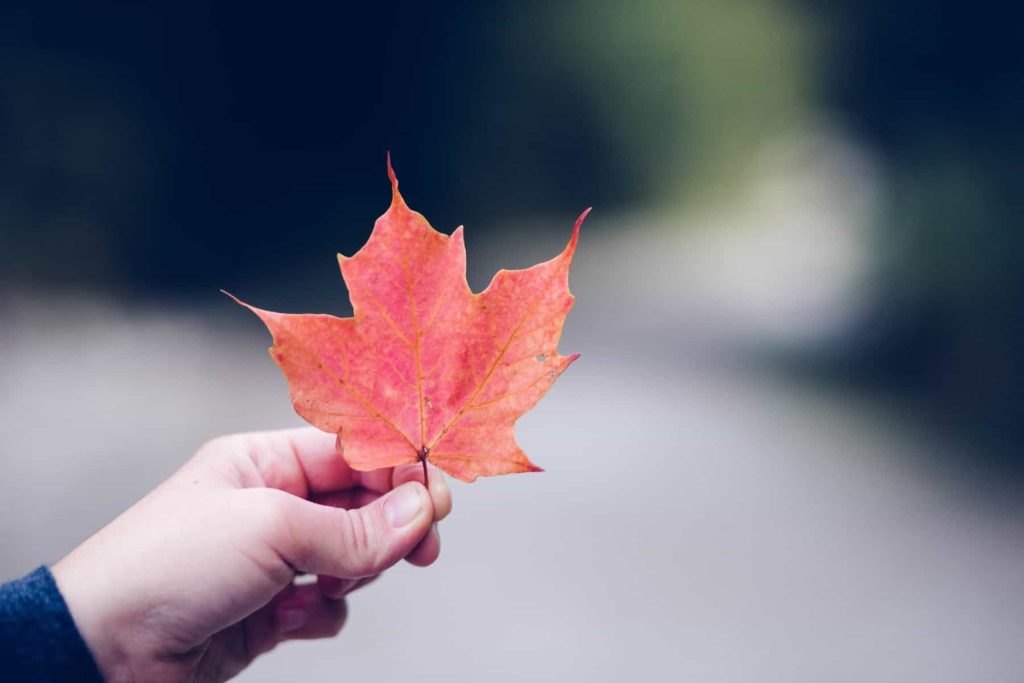
In British Columbia our curriculum documents are highly compatible with outdoor learning. The big ideas and curricular content of seasonal change is required teaching from Kindergarten to grade 5. Of course, the best way to understand seasonal change is to go outside and experience it. If you’ve been reading my blog at all, you’ll know I’m a huge advocate for outdoor learning and that I will tell you it is necessary to take your class outdoors to observe and experience seasonal change for children to make meaning of it. To get you started, I’m including a free Tree In 4 Seasons observation journal activity. Of course, using literature to introduce ideas is always exciting for us teacher types, so this post was written to introduce you to my favourite picks for picture books about seasonal change!
Before we get to the books, let’s look at what kids are learning grade by grade in BC’s science curriculum. There is a lot of content to cover and by checking the grade of your child or classroom, you can pick books that best meet your objectives! Click on the bold descriptions to go directly to the ministry’s website.
Understanding Seasonal Change in K-5
In Kindergarten, the big idea of daily and seasonal changes affecting all living things is explored:
How are plants and animals affected by daily and seasonal changes?
What daily and seasonal changes can you see or feel?
In grade one, the big idea of observable patterns and cycles occurring in the local sky and landscape are discussed:
How do patterns and cycles in the sky and landscape affect living things?
What kinds of patterns in the sky and landscape are you aware of?
In grade 2, students are introduced to stewardship of the land and begin to explore first people’s knowledge of how to sustainably gather plants in response to seasons.
In grade 3, students cover the content of observable changes in the local environment caused by erosion and deposition by wind, water, and ice.
In grade 4, students tackle the big idea that the motion of our Earth and the moon cause observable patterns that affect living and non-living systems.
What changes are caused by the movements of Earth and the moon?
How do seasons and tides affect living and non-living things?
Additionally, in grade 4 students examine how all living things sense and respond to their environment
How is sensing and responding related to interdependence within ecosystems?
How do living things sense, respond, and adapt to stimuli in their environment?
In grade 5, the concept of sustainability is revisited and interconnectedness is introduced. Children begin to understand that everything in the environment is connected and that we have a responsibility to care for our planet.
If you are teaching in a BC classroom, check with your school library to see if these books are already on your shelves. If not, you can click the bolded title of the book to take you to the Amazon affiliate link. As an Amazon affiliate, I receive a small commission that supports this blog, at no extra cost to you. Thank you for supporting my website.
Best Picture Books for Understanding Seasonal Change:
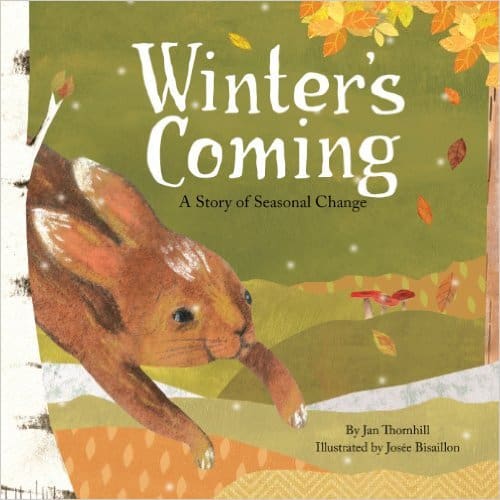
Winter’s Coming: A Story of Seasonal Change by Jan Thornhill explores the concept of animal adaptations and how living things respond to their environment.
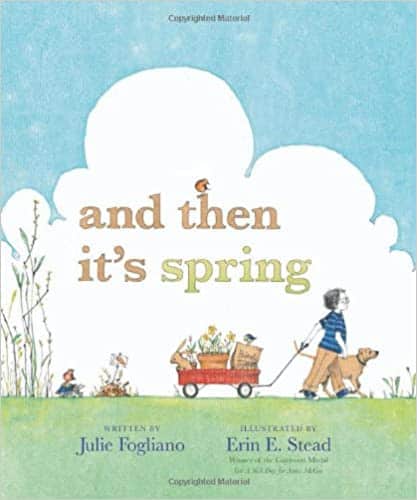
And Then It’s Spring by Julie Fogliano is a lovely tale for anyone sick of the doldrums of winter and keen to get started in the garden!
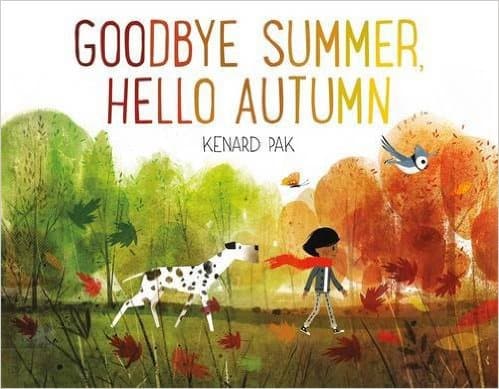
Goodbye Summer, Hello Autumn by Kenard Pak uses descriptive language as a child says goodbye and hello to the signs of seasonal change. Also check out the companion book, Goodbye Winter, Hello Spring.
Red Leaf, Yellow Leaf by Lois Ehlert is great for tackling the scientific understanding of photosynthesis.
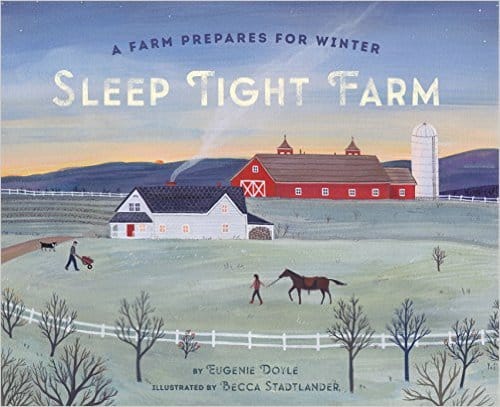
Sleep Tight Farm: A Farm Prepares For Winter by Eugenie Doyle is a fascinating look at seasonal change and how people, plants and animals prepare for the seasonal change to winter.
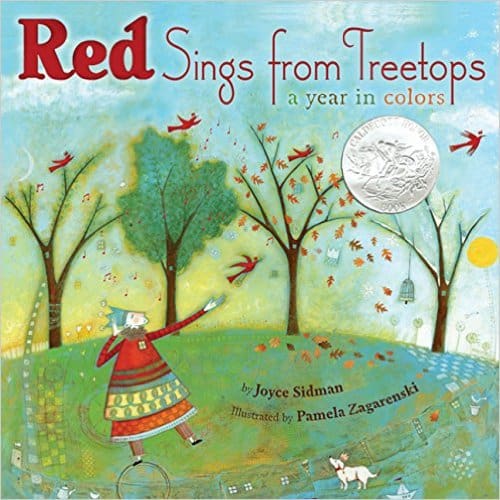
Red Sings From Treetops: A Year in Colours by Joyce Sidman is a sensorial, and poetic, exploration of how the changing seasons look, feel, smell and taste.
Seasons by Alain Gree is a classical look at the four seasons with seasonal changes observed in communities and nature.
Seasons by Blexbolex explores the cyclical nature of the changing seasons through time.
Any book by Gail Gibbons is a surefire hit for understanding the natural world, and The Seasons of Arnold’s Apple Tree doesn’t disappoint! Also check out her related book, The Reasons For Seasons with kid friendly explanations of the position of the earth in relation to the sun as a cause for seasonal changes.
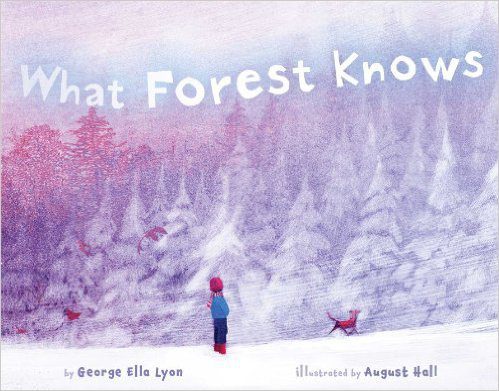
What Forest Knows by George Ella Lyon takes the reader through the many moving parts and beauty of seasonal change in a forest.
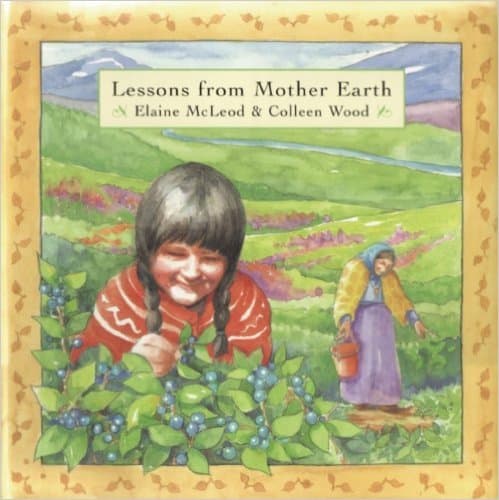
Lessons From Mother Earth by Elaine McLeod demonstrates the First People’s tradition of sustainable harvesting through the seasons, and the interconnectedness of life on Earth.
Thirteen Moons on Turtle’s Back: A Native American Year of Moons by Joseph Bruchac explains how the 13 scales on the back of a turtle help us understand the 13 cycles of the moon and the changing seasons.
Don’t forget to get your child or class outdoors as much as possible when exploring seasonal change! If you are looking for more ideas on developing an outdoor classroom, come follow me on Pinterest for great ideas from experts in this field.