

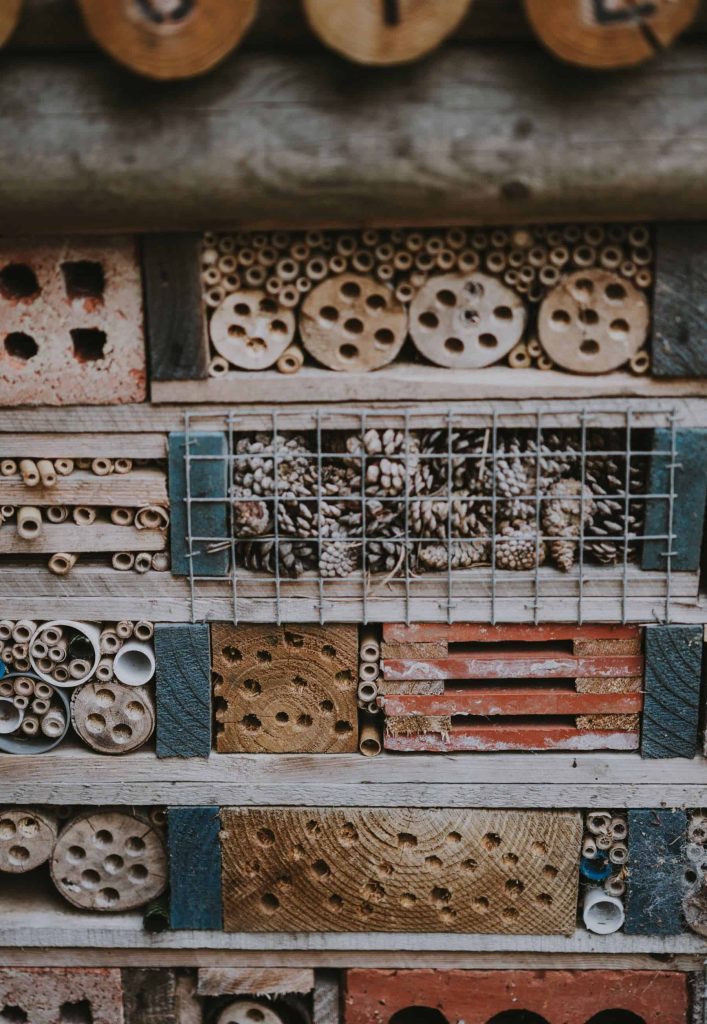
Bug hotels are an essential addition to any garden, and particularly a children’s garden. There are really only two reasons to build them. One is to attract and house beneficial insects so that they are available to work in the garden as biological pest control, the other is to have an actionable way for children to compassionately relocate garden pests, like slugs and snails.
There’s no one way to build a bug hotel. This blog post will share my own experiences and curated examples to inspire your insect inquiries and habitat building.
Bug Hotels To Attract Beneficial Bugs
Most bug hotels are built to attract and house beneficial garden creatures. Building a beneficial bug hotel with children presents a meaningful cross-curricular opportunity to research insect life cycles, habitats and food chains. Particular insects that are beneficial to both vegetable and ornamental gardens are ladybugs and mason bees.
Lady Bugs and Mason Bees
Ladybugs have a life span of approximately one year. If you can attract ladybugs to your garden in the summer, they’ll reproduce and hibernate in your garden over the winter. Once their hibernation is over, they’ll wake up hungry and ready to consume 50 or more aphids per day while laying eggs for the next generation of aphid eaters.
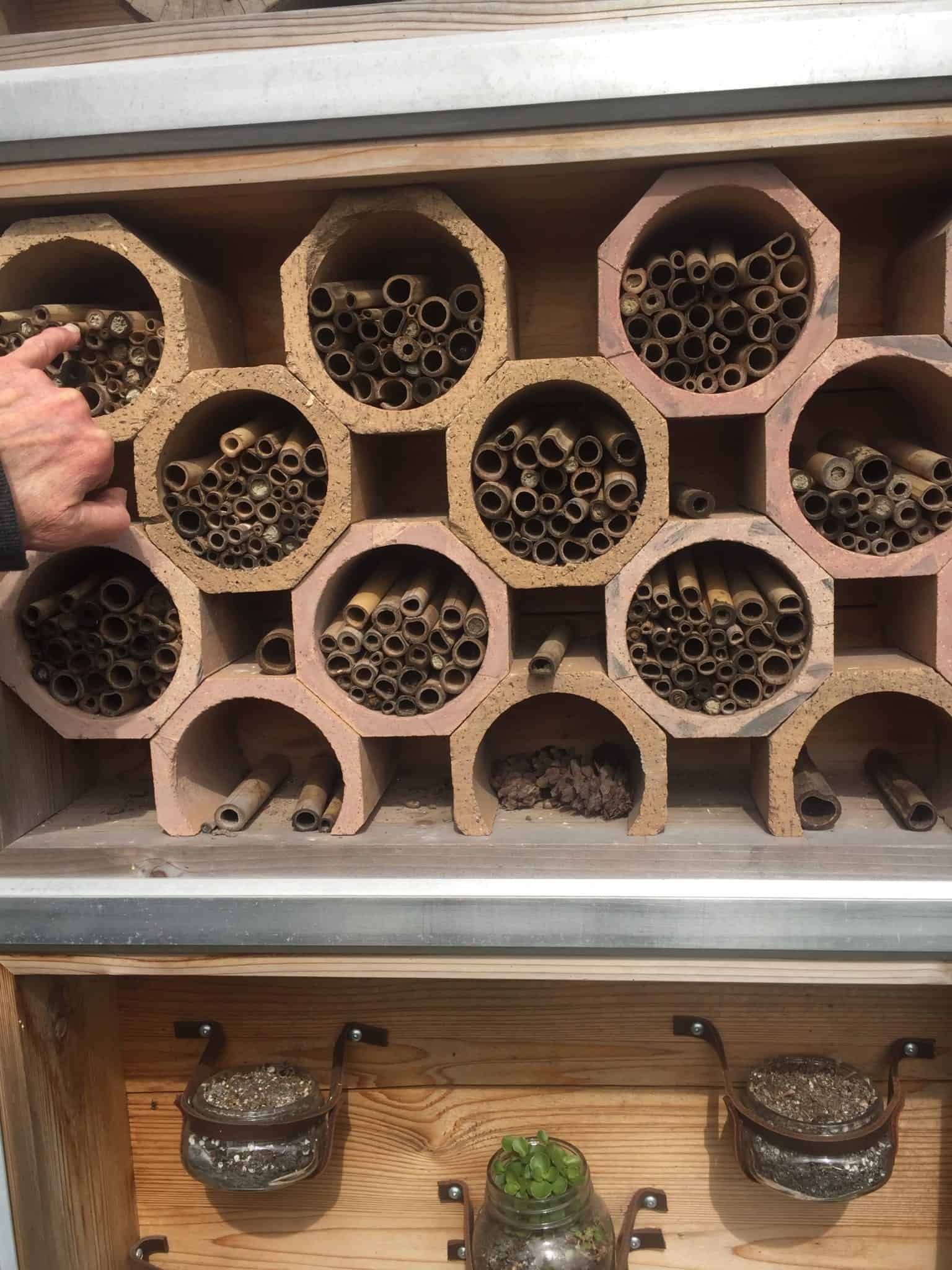
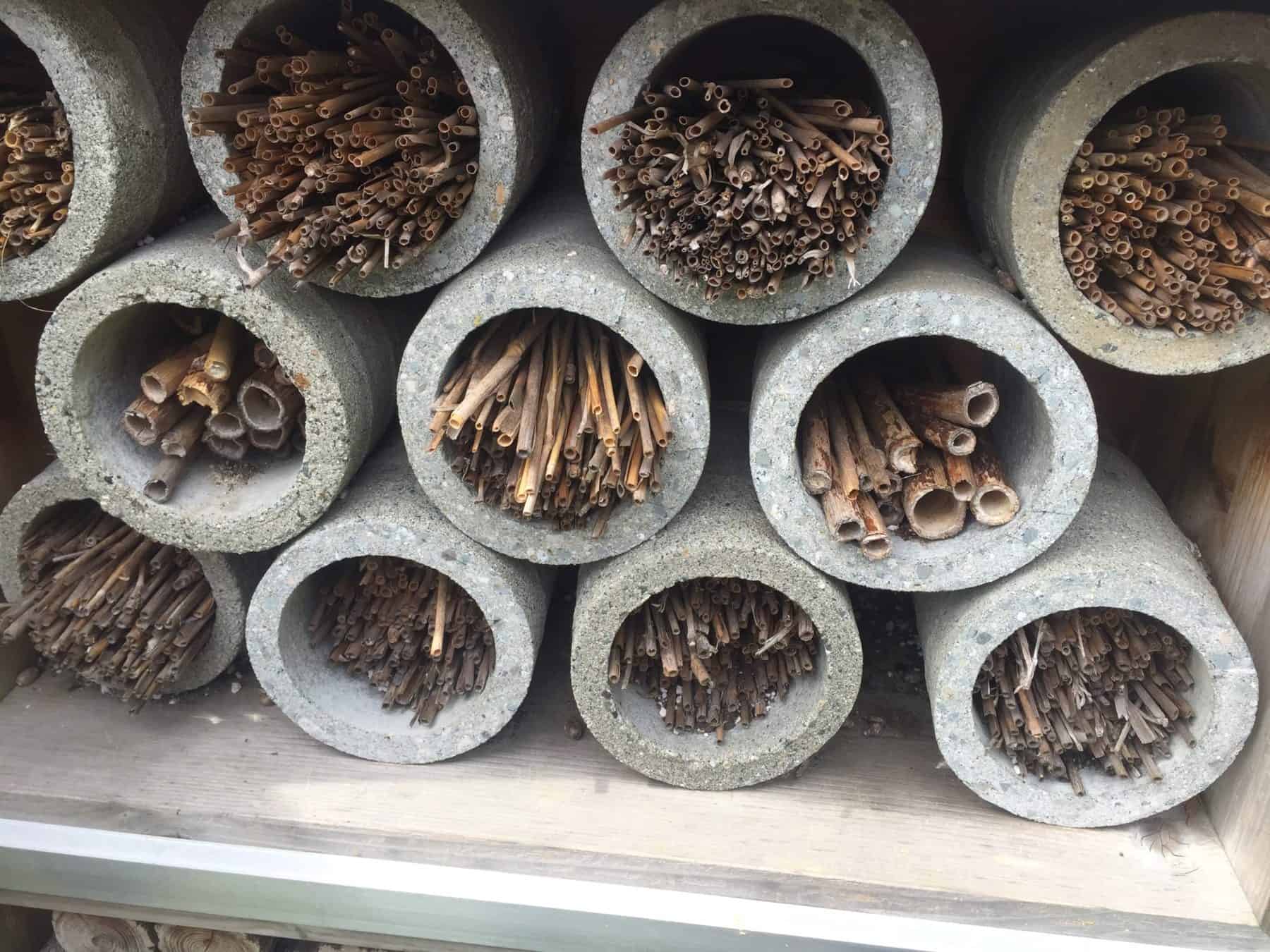
In our garden, we often find ladybugs hibernating in the leaf mulch, but they mostly prefer narrow tubing of various widths to hibernate within. Bamboo and other hollow woody stems are ideal.
Mason bees are another beneficial bug that have an important role as pollinators in your garden. To attract mason bees, simply plant any variety of pollinating flowers that are native to your climate. In our garden, they are especially attracted to purple Astor flowers.
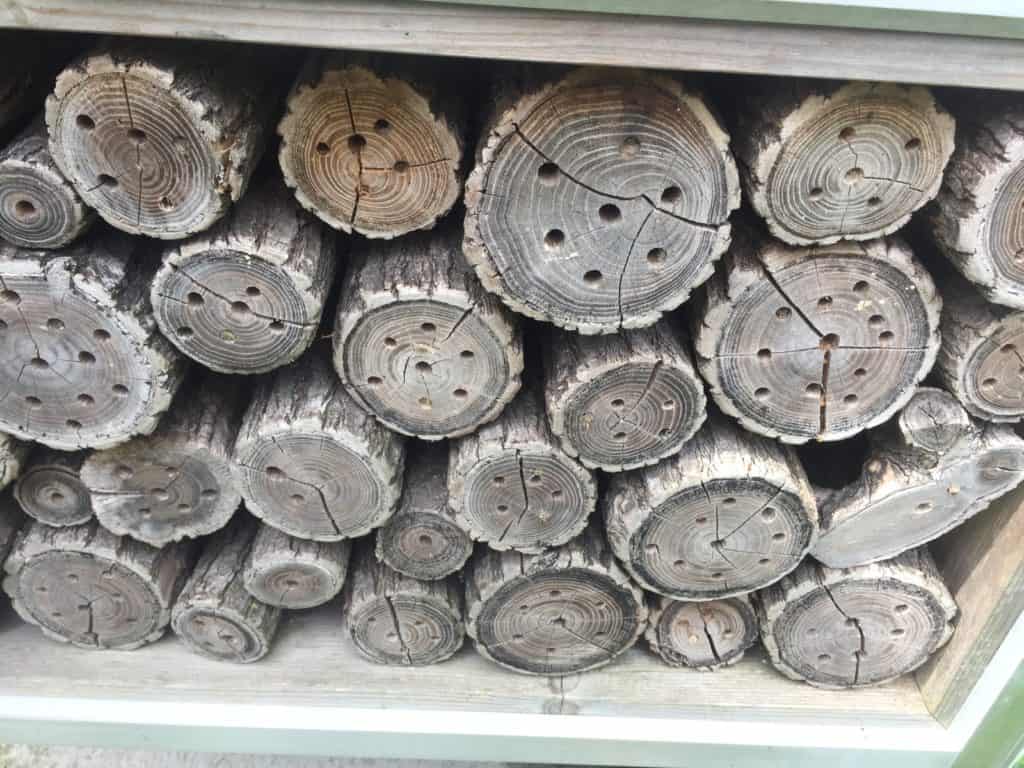
Mason bees are excellent pollinators to have in gardens where children play and learn. They don’t sting and are solitary bees, which means they do not live in a hive, like honey bees do. They most often nest in wood holes left by other insects or nails that have been removed.
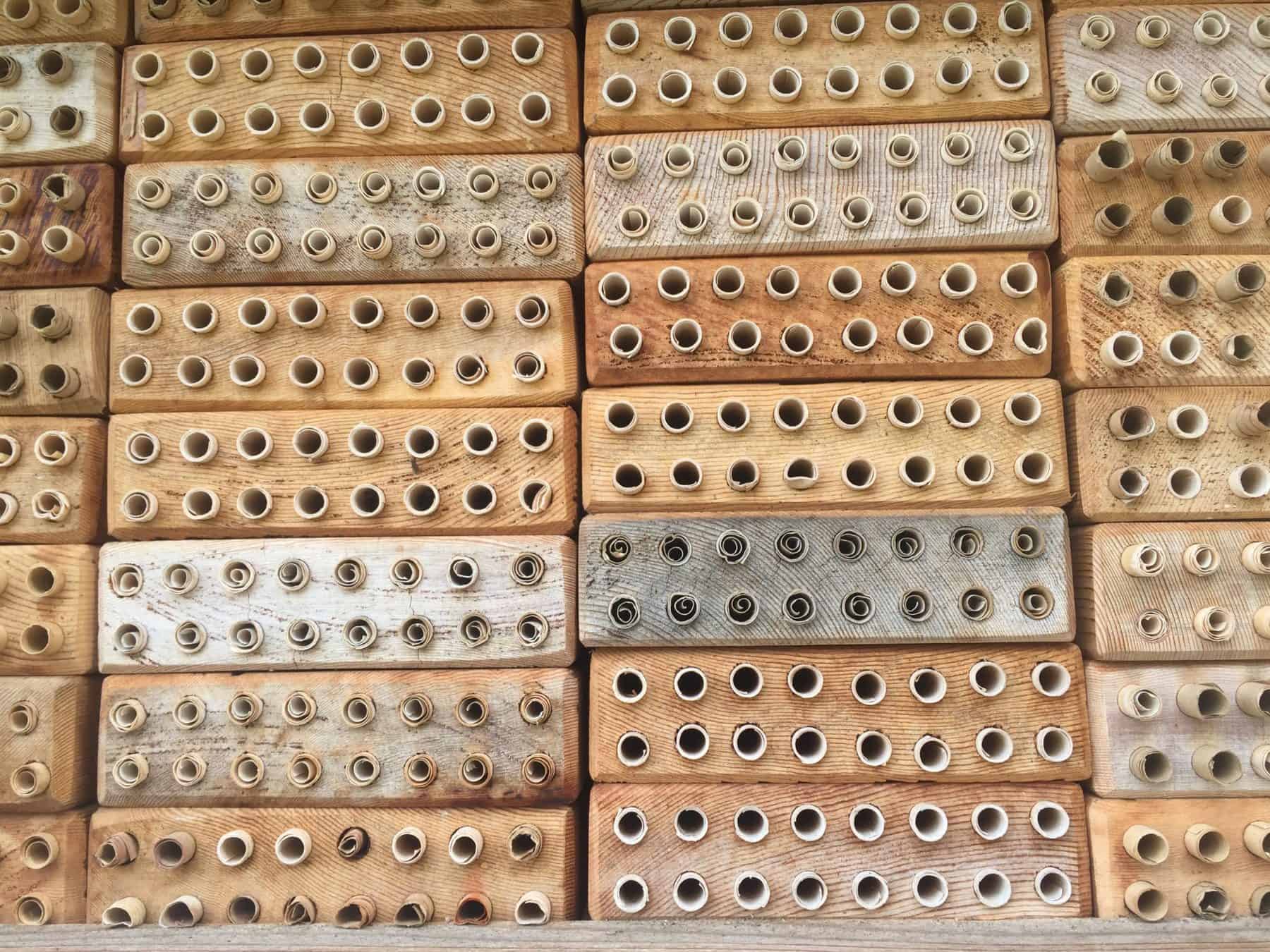
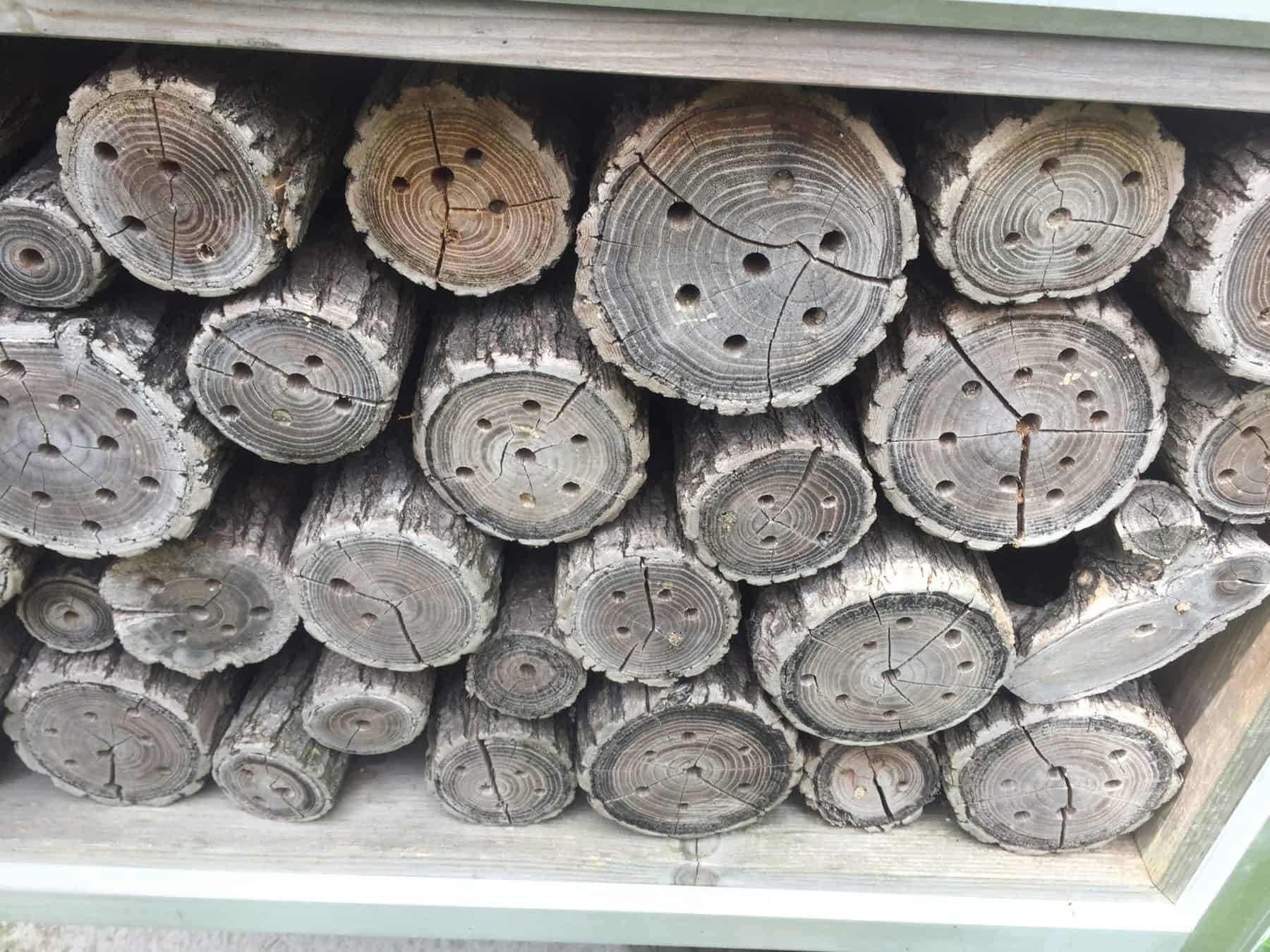
To accommodate mason bees you can drill holes of various diameters into any sort of leftover wood pieces.
Worms Are A Gardeners Best Friend
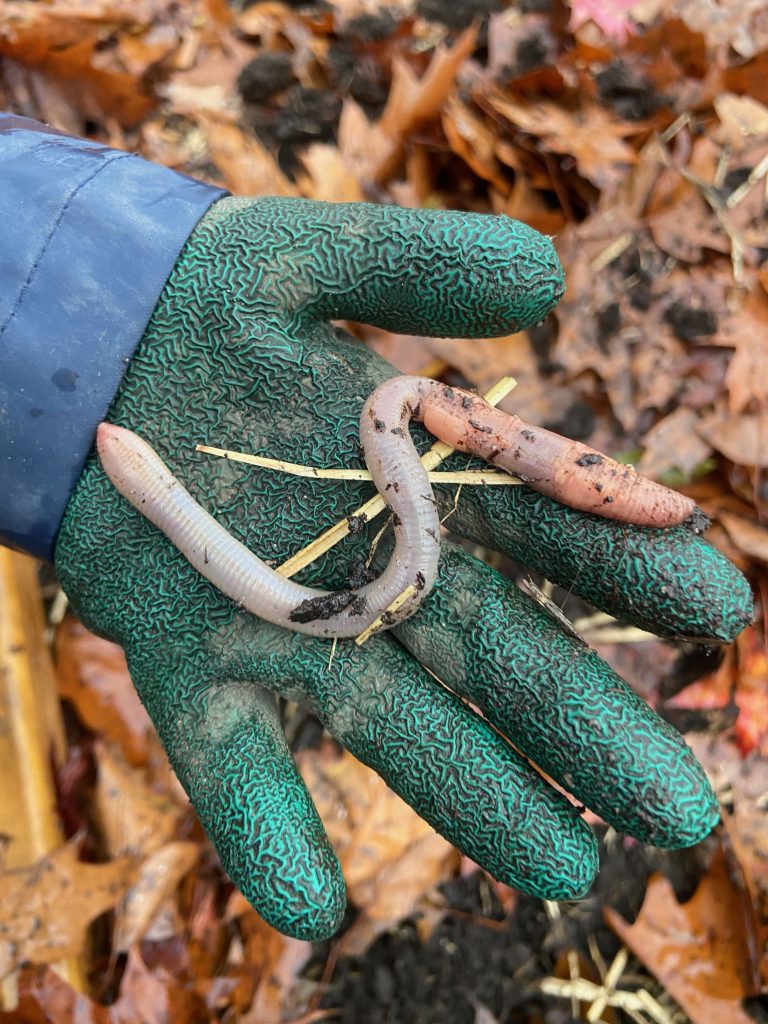
Of course, worms are a gardener’s best friend! I am firm with children that they are not to be removed or played with since they have important work to do in the garden. The difficulty with studying worms is that they live under the earth so are hard to observe. A worm audit can be a simple solution to this problem. Lay out a tarp and place a shovel full of soil on it. Children can examine the mound of soil for living things and tally up what they find.
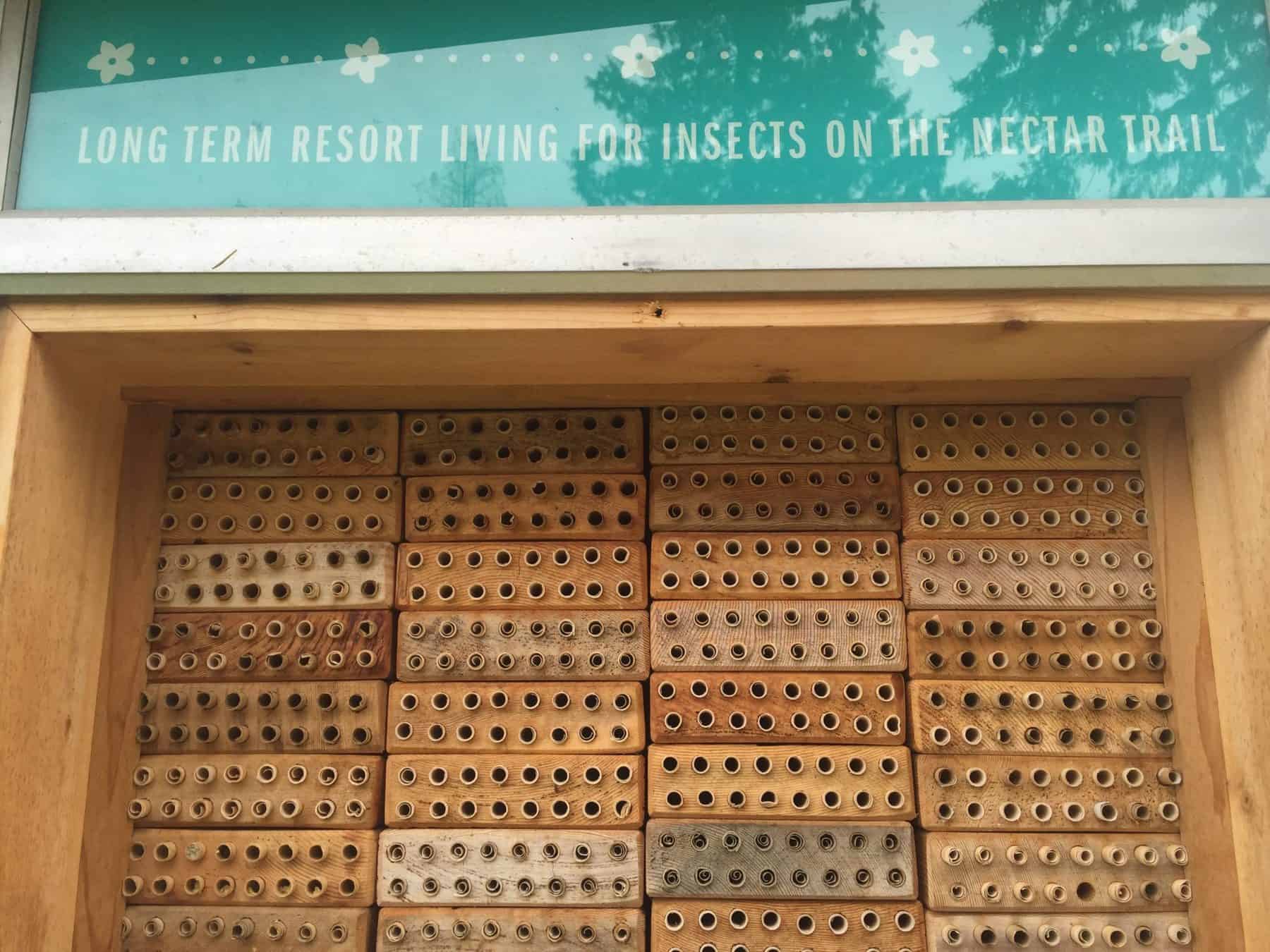
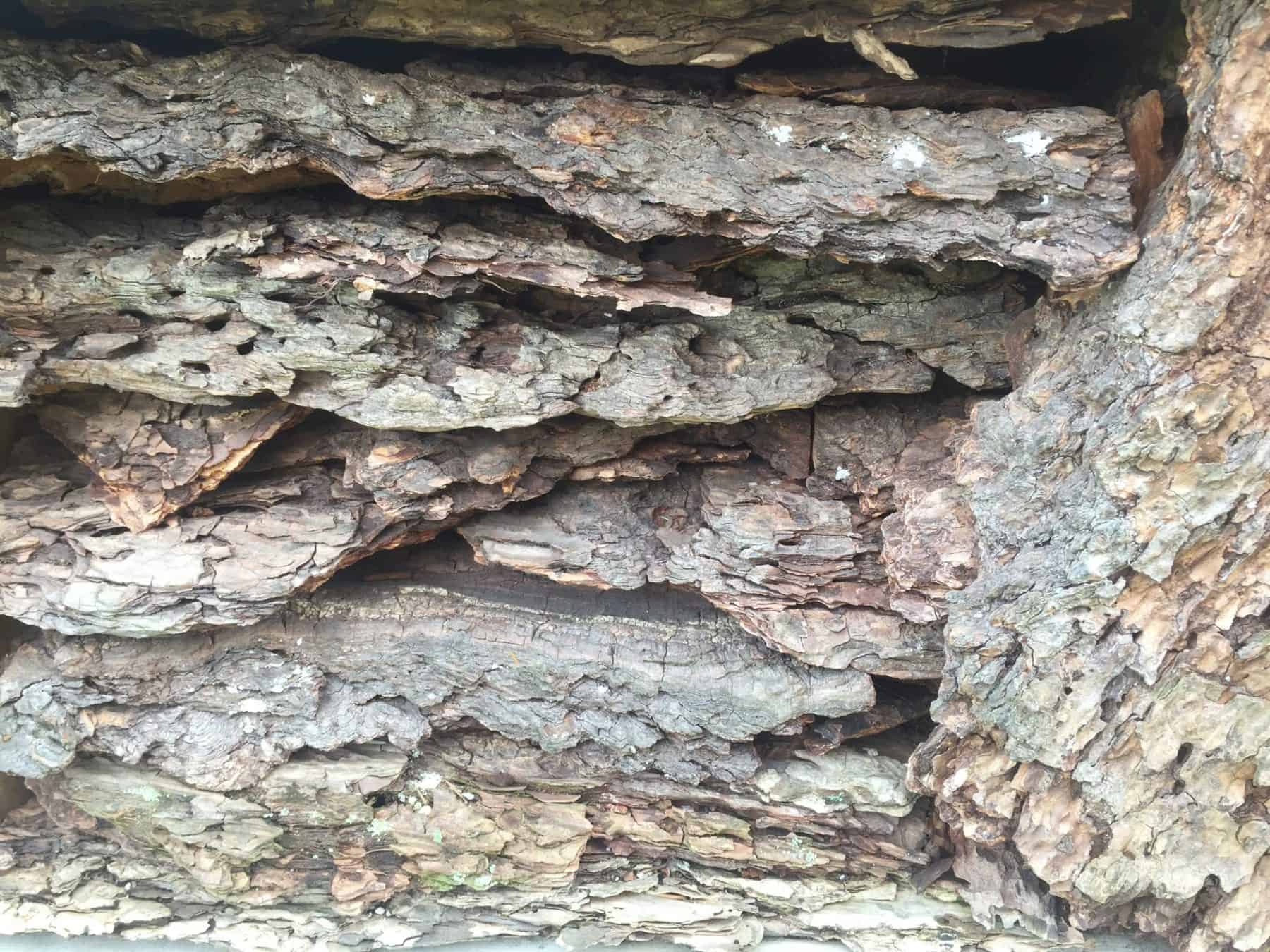
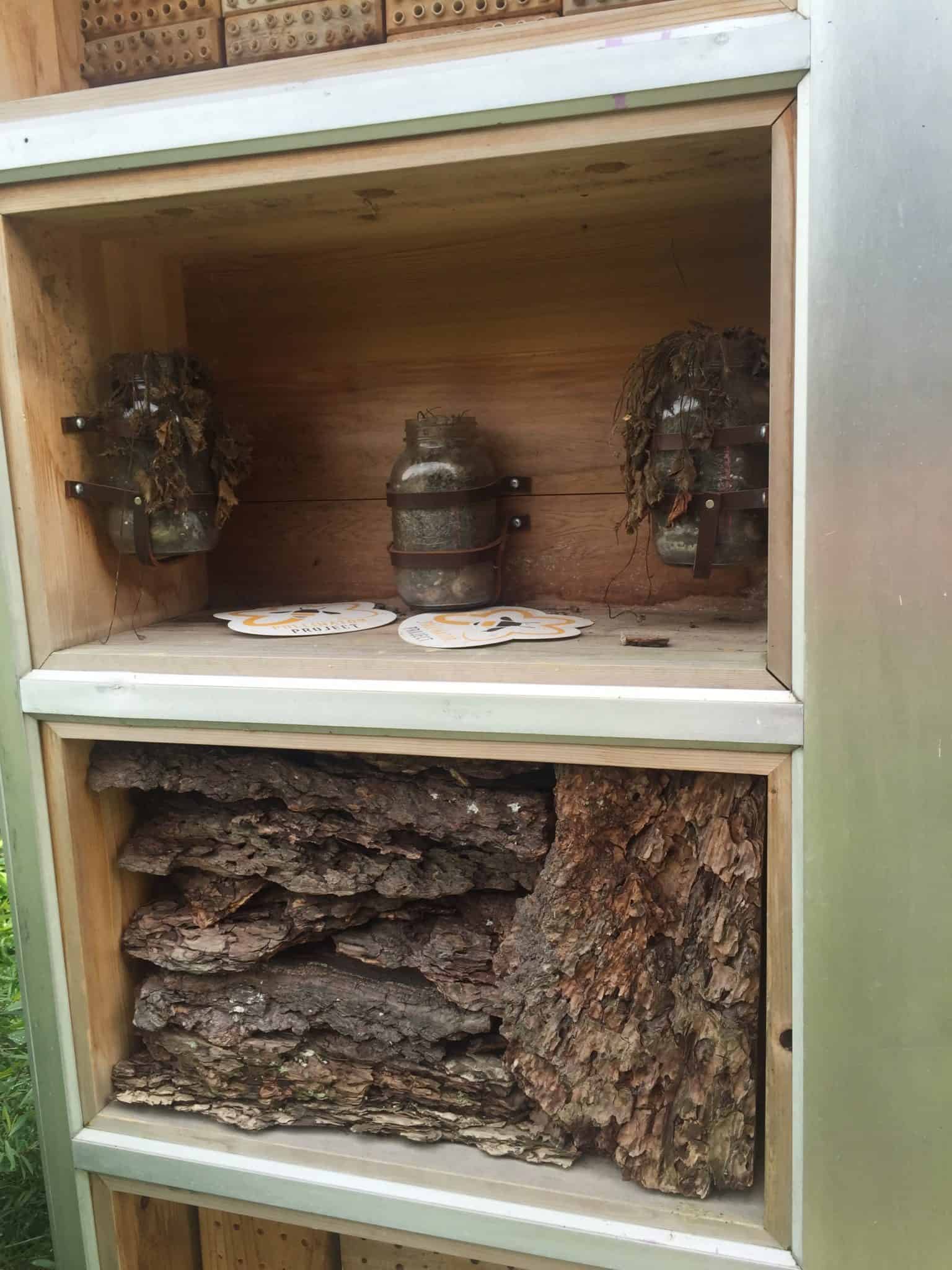
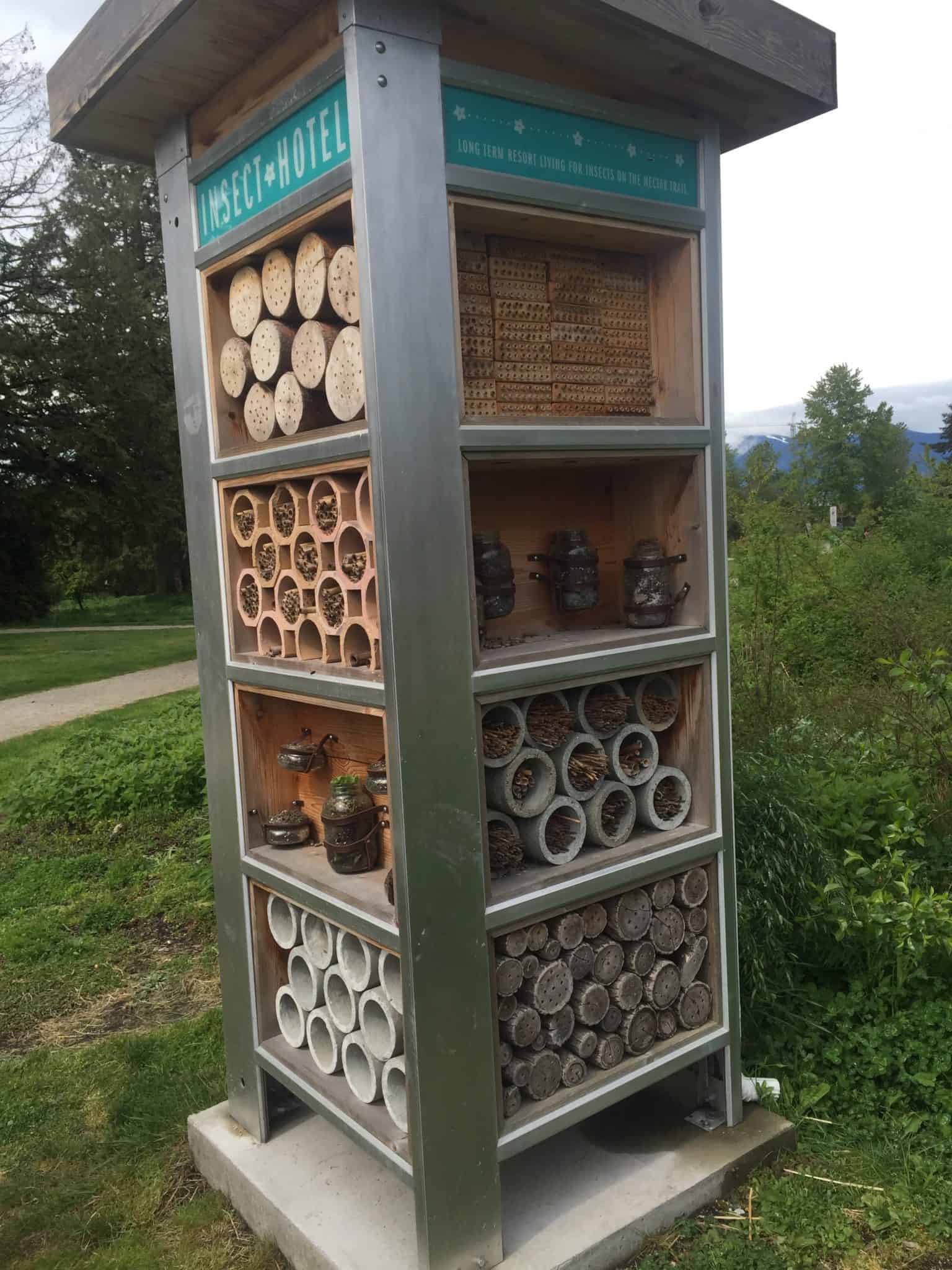
On a global scale, the importance of creating bug habitats in urban centres is critical to maintain and sustain pollinating and other beneficial insect populations. The Nectar Trail in Vancouver, BC is an inspirational project designed to create a habitat rich corridor through the urban centre.
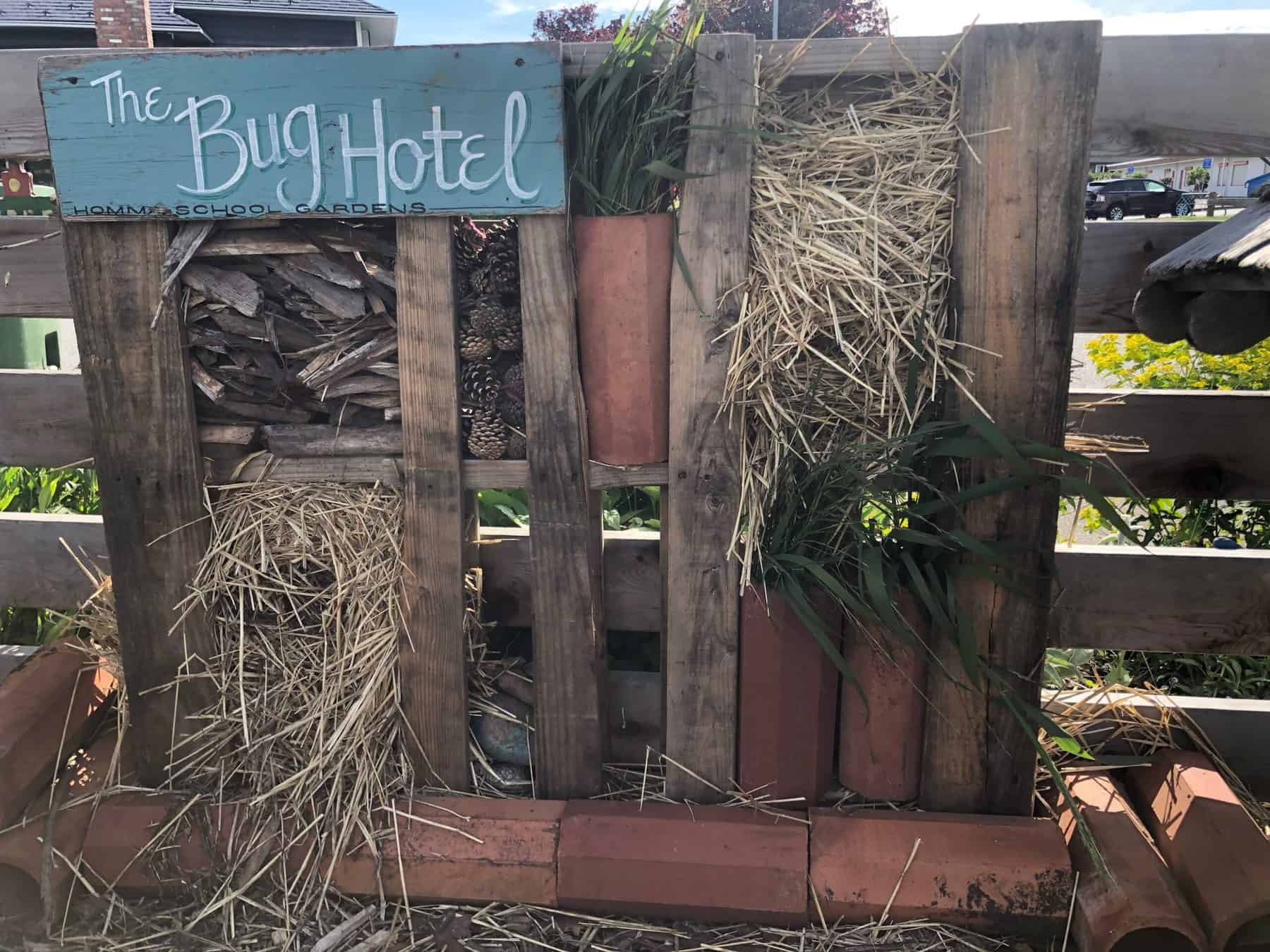
These Nectar Trail images inspired our own bug hotel design:
Bug Hotels That House Garden Pests
Bug hotels can also make for a humane and educational way to manage pests in your backyard or school garden. You can place bug hotels that are meant to house pests far enough away from the garden but close enough that kids can easily re-locate insects that offer few benefits. Slugs, snails and caterpillars are all insects we don’t want to kill, but maybe don’t want to have free rein in our gardens!
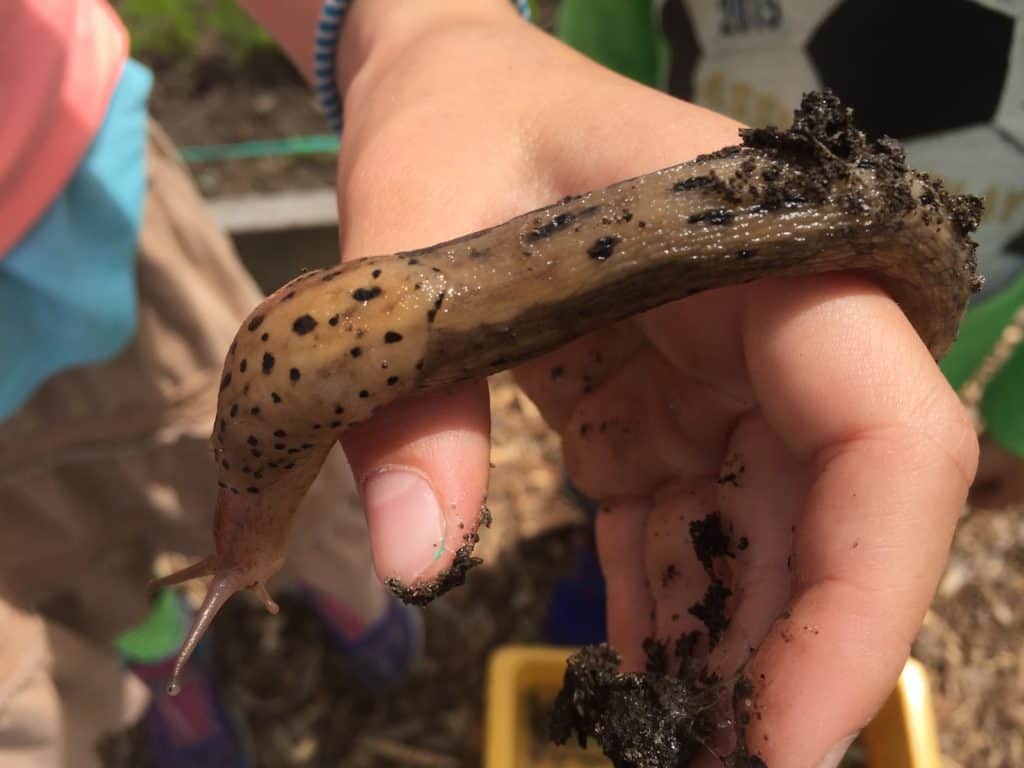
Bug hotels built to house garden pests can literally be a heap of leaves or a few sticks or logs piled up in a corner of the garden. The goal is to nurture a compassionate response to unwanted garden creatures without resorting to pesticides and insect homicide!
How To Build A Bug Hotel
The supplies required to build a bug hotel are likely free and already available to you! Look for surplus bricks, saved cardboard tubing, corrugated cardboard, pine cones, sticks, bits of bark and wood cuttings, stones and hollow organic matter, like bamboo stalks.
We made our bug hotel with a re-purposed wooden mailbox. I sealed off one side of the mailbox with landscape fabric, but chicken wire would also be a good choice to contain the bits and pieces. We rolled up corrugated cardboard and filled each “hotel room” with pine cones, straw and wood chips. Up-cycled wooden pallets also make good bug hotels.
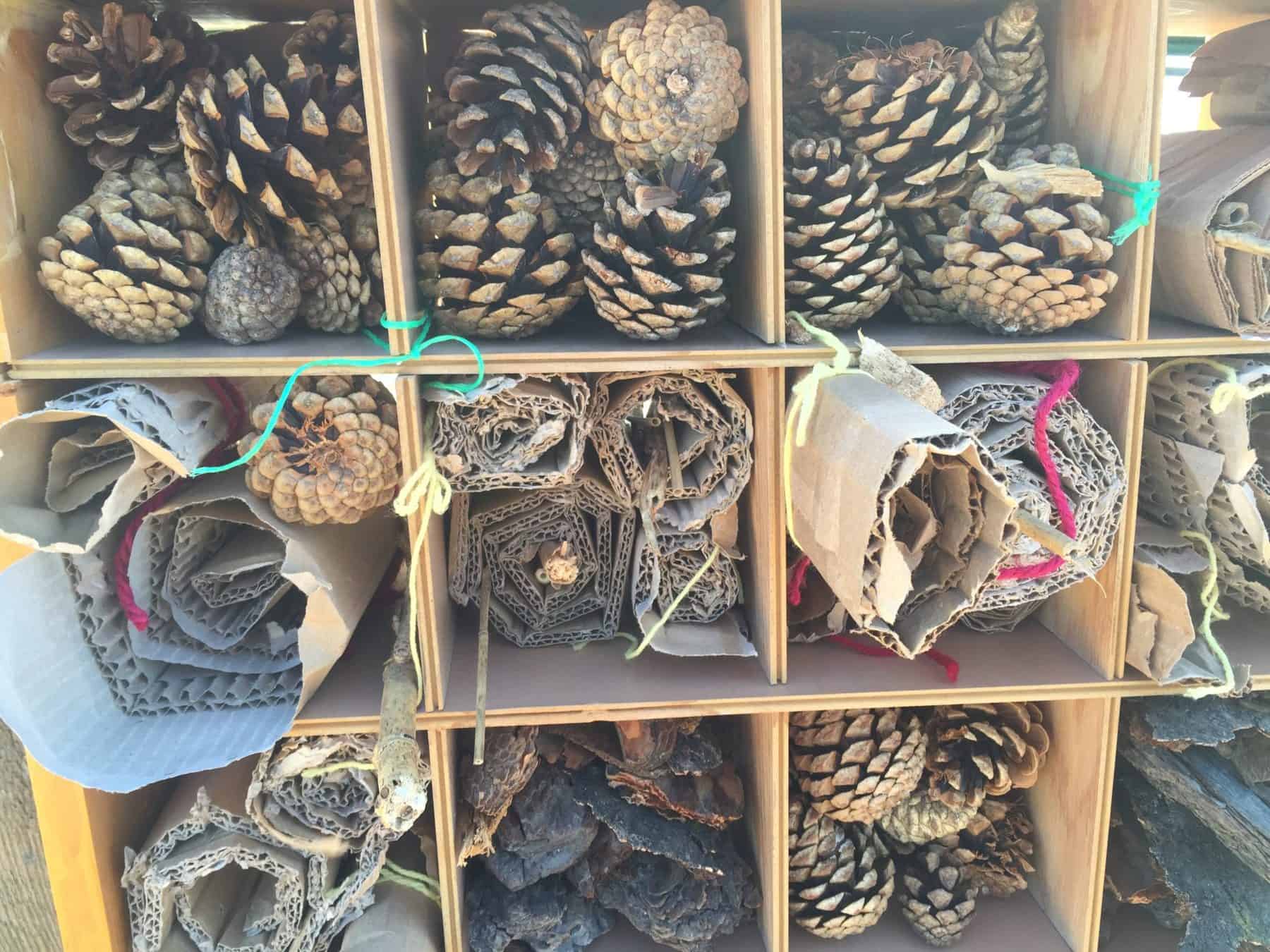
We have also built a bug hotel vertically using a pallet, but experience has taught me that a horizontal structure is more kid durable. Consider building your structure wider, rather than taller to avoid collapse, tipping or vandalism (in pubic gardens). Bug hotels located in gardens frequented by children should limit the number of broken pottery and bricks that are included in the habitat.
You don’t need to purchase anything expensive to build a bug hotel. In fact, the best ones are eco-friendly projects that up-cycle existing garden, natural found objects, and re-purposed household junk drawer contents.
Insect Inquiry Ideas
If you are interested in taking your insect inquiry further but don’t want to build a bug hotel yourself, these like-minded bloggers will further your investigation.
Check out how Mother Natured explored her backyard’s biodiversity with a simple white sheet.
Pink Oatmeal has THE BEST bug themed yoga tutorial here.
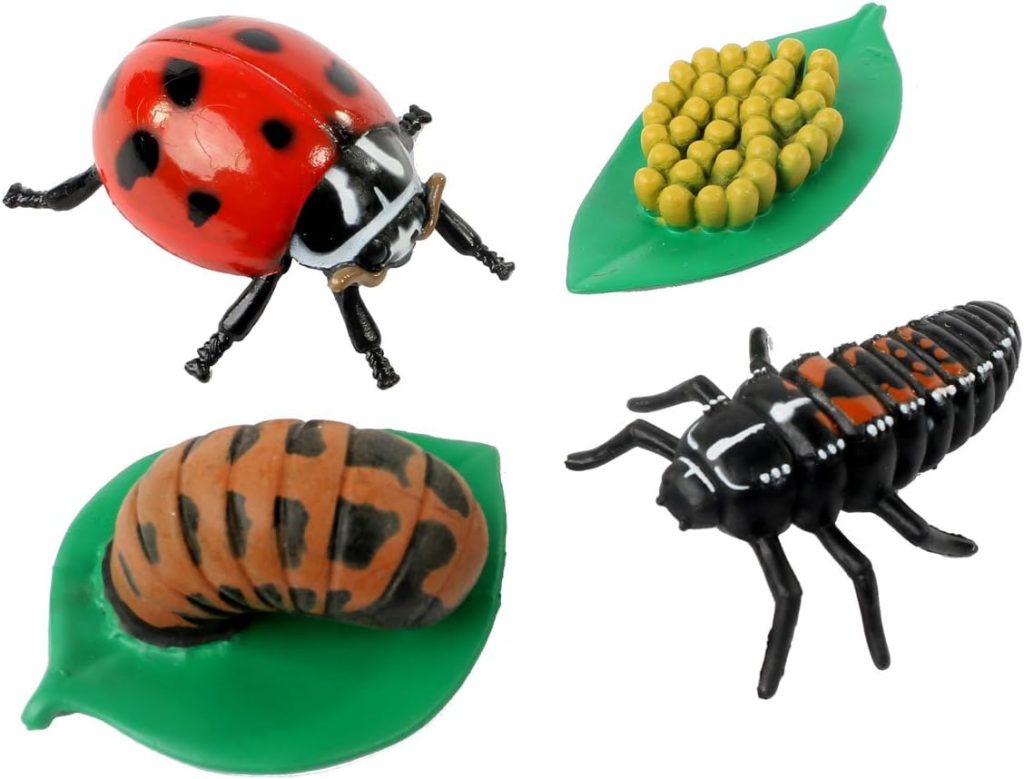
I am a big fan of these life cycle models for prompting children towards an understanding of beneficial bugs and to better recognize the insect life cycle stages. By playing with and engaging with these models, children are more likely to connect to the insects and protect them throughout their lifecycle. You can buy them by following this link.