


Math is all around us and patterning is a great entry point for students to engage in mathematical thinking and learning, while exploring and playing outdoors. The ability to recognize, name, extend, and create patterns prepares children with a solid foundation for complex mathematics moving forward.

Inspired by Messy Maths: A Playful, Outdoor Approach for Early Years written by the incomparable Juliet Robertson, students can be challenged to find examples of patterns in their outdoor classroom or garden space.
Texts listed below can be used as prompts to introduce the instructional routine of looking for patterns in nature. Students can be prompted to look closely (or extend) specific patterns, symmetries, spirals, waves, stripes and more! The more frequently we notice and name patterns in nature, the more fluency children will build.

Complex natural patterns

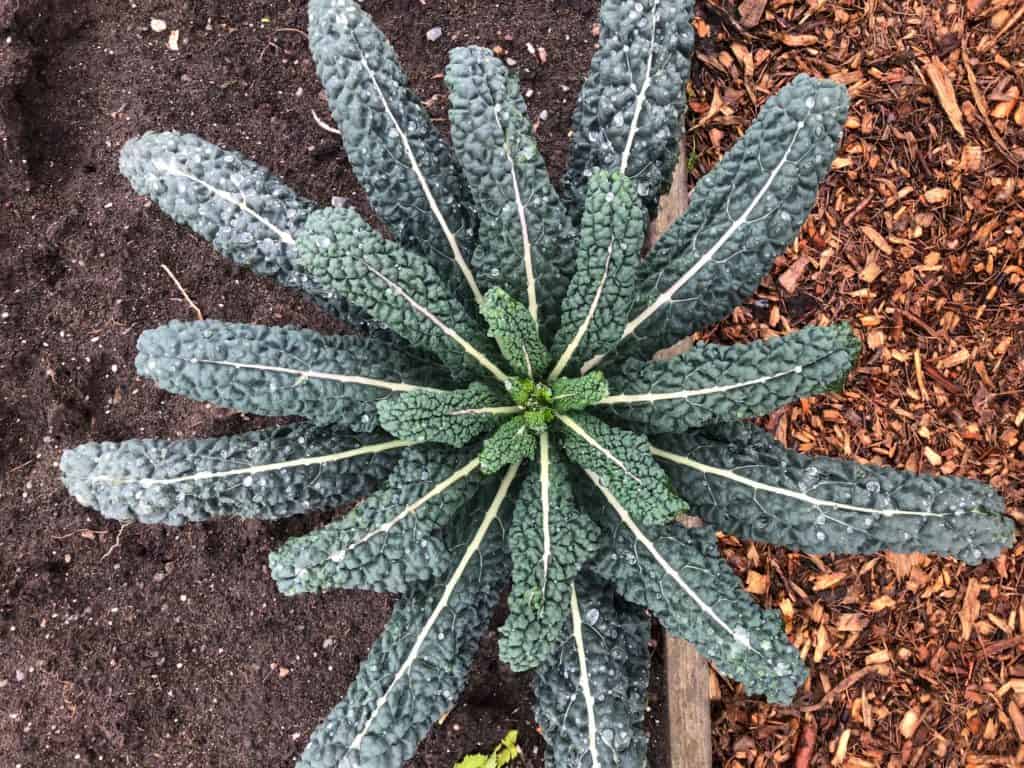
Complex natural patterns like the Fibonacci sequence can be easily recognized outdoors and often overlooked. The spiral in this flower isn’t an immediately obvious example of the Fibonacci sequence, but there is a definite pattern in the centre of the disk florets when we look closely and know what to look for.
Students can be prompted to build and extend patterns with books that encourage young children to notice and name patterns in nature.

Best books for noticing patterns in nature
Flow, Spin, Grow: Looking For Patterns In Nature
Lots and Lots of Zebra Stripes
Growing Patterns: Fibonacci Numbers In Nature
Patterns in Nature: Why the Natural World Looks the Way It Does
Mysterious Patterns: Finding Fractals in Nature

Looking for patterns outside tips & tricks
Read a book to inspire pattern hunting indoors or out. Co-create guidelines for only using fallen plant material (no picking)! Follow up with time outdoors for children to create their own patterns using features found in your outdoor learning space. The examples found below were created by kindergarten and grade 1 students.


Students could also add to the creations of their peers, extending an existing patterns.
Take a photo of student created patterns to build a bulletin board or class book of patterns that exist in your school-yard.

If you are looking for more outdoor math inspiration, you might also enjoy this post: