

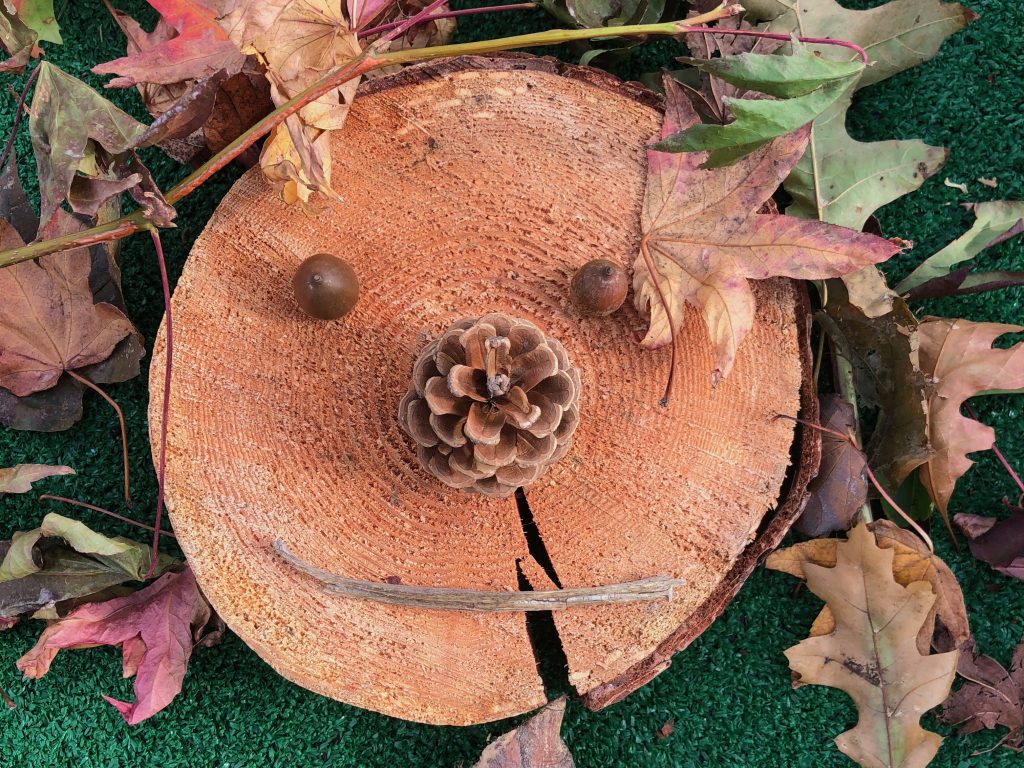
Loose parts are found or natural objects that have no specific instructions and highly valued for their imaginative and creative affordances for child-directed play. For children who are new to loose parts play outdoors, it can help to introduce them in small quantities. I have found that for children who have little experience with loose parts play, especially outdoors, introducing the concept through story is an efficient strategy.
This post shares books for supporting unstructured loose parts play outdoors. This is a growing topic for children’s books! If you have a new book to recommend, please contact me here.
Mattland by Hazel Hutchins & Gail Herbert.
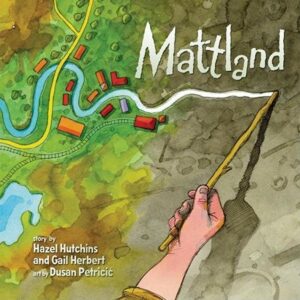
My favourite book for introducing loose parts play outdoors is probably Mattland. It is a sweet story of a boy who has had to move too many times and finds himself in a muddy and discouraging playscape. Good for anyone just starting out with loose parts play and unsure how to introduce the concept. Also good for teachers who have not yet introduced larger loose parts and would like to start with smaller found objects, like pinecones or school-yard debris.This story is also perfect for experienced teachers teaching outdoors looking for inspiration to keep the play going on rainy, muddy days! Click here to purchase online.
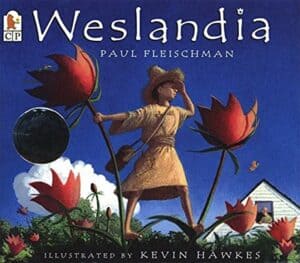
Westlandia by Paul Fleishman.
Another excellent choice for introducing imaginative play outdoors, Westlandia is a favourite end-of-the-school-year read for the garden classroom. The story follows Wesley’s summer project to escape from his school-yard tormentors with the creation of an entire civilization, complete with its own clothing, food, culture, shelter and games. Perfect for sending kids off to the summer months with ideas for imaginative outdoor play. Click here to purchase online.
The Most Magnificent Thing by Ashley Spires.
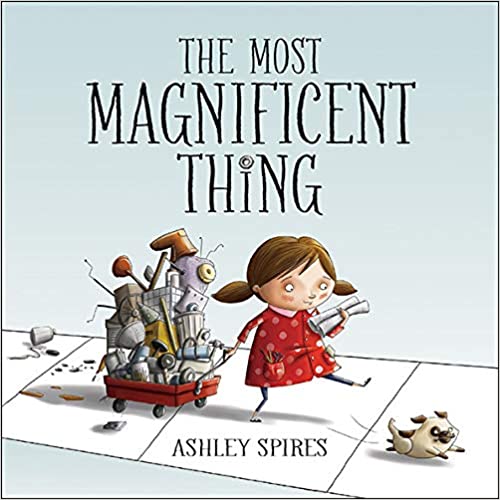
This is a great story for working with ADST (Applied Design, Skills & Technologies) development, particularly if you are introducing tools to your loose parts play areas. The Most Magnificent Thing follows a regular girl as she struggles to create the most magnificent thing. Themes of persistence, resilience, and tinkering to solve problems emerge, and the story effectively demonstrates how frustration is often part of the learning process. Click here to purchase online.
RELATED POST: RISKY PLAY WITH TOOLS
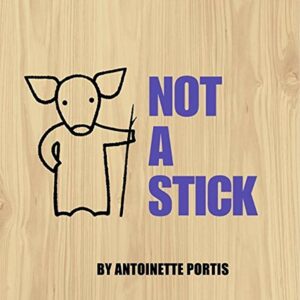
Not A Stick by Antoinette Portis.
This simple book ignites children’s imaginations and acknowledges the difficulties adults have when children play with sticks. Not a Stick is the perfect book for introducing larger loose parts to your nature play areas and can spark great conversations around how we reasonably and responsibly use sticks in our imaginative play. Click here to purchase online.
That Neighbour Kid by Daniel Miyares
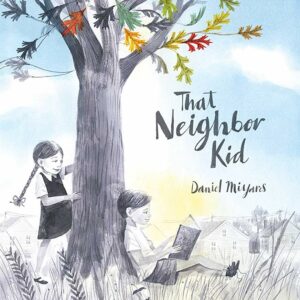
Fans of wordless picture books will love this story that shows how friendships are formed through common interests and goals. That Neighbour Kid is particularly good for teachers who are introducing tools to their loose parts play areas, and who are interested in an anchor text for shelter building.Teachers working on communication skills in larger loose parts play might use this text as an opportunity to have the students imagine the conversations between the two friends as they work together to achieve their goal of building a tree fort. Click here to purchase online.
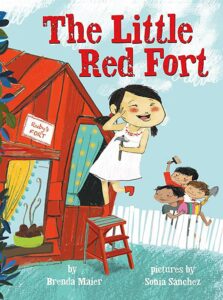
The Little Red Fort by Brenda Maier
The Little Red Fort has an instantly familiar lilt that feels like a modern version of the Little Red Hen. The story lifts up Ruby as a determined and competent little girl who wants to build a fort. Themes like STEAM and gender equity are front and centre as Ruby’s brothers laugh at her efforts and mock her lack of skills. Ruby initially gets no help from her brothers, but does consult with her tool-savvy mother who teaches her how to build the fort of her dreams. In the end, Ruby graciously allows her brothers to play in the fort, even though they were late to the building party. A great story for pre-loading expectations of collaboration, communication, and kindness. Click here to purchase online.
Introducing Loose Parts Play
When introducing larger loose parts, children need some preventative coaching around the collaborative use of shared resources. It helps to frame the loose parts as shared resources from the get-go and to provide scripts for children to use to help support their early attempts to build and create in a shared space. In our outdoor classroom, we coach children that they should never have to ask for permission to use a tire or a stick because those items do not belong to any one person. For example, just because someone got to the play area first, or is in closer proximity to a desirable part, does not give them ownership over the loose parts. Rather children are coached to ask “is this being used for anything?”. This way, a child who wants to retain the item needs to communicate how it is being used, and the two children can see if an opportunity exists for collaboration. Then, if the desirable part is not being used, the asking child is free to use it as they wish. Inevitable conflicts provide opportunities to further develop core competency skills.
READ MORE IN MY BOOK: EMBRACING RISKY PLAY AT SCHOOL
Learn More
Head back to the home page to join my mailing list for outdoor play and learning seasonal tips and tricks! And, I highly recommend Dr. Diane Kashin’s blog for more reading on the significance and relevance of loose parts play. You can also view resources and recordings about loose parts play at school in the teacher tool at outsideplay.org